Board games that build 11+ skills without anyone noticing
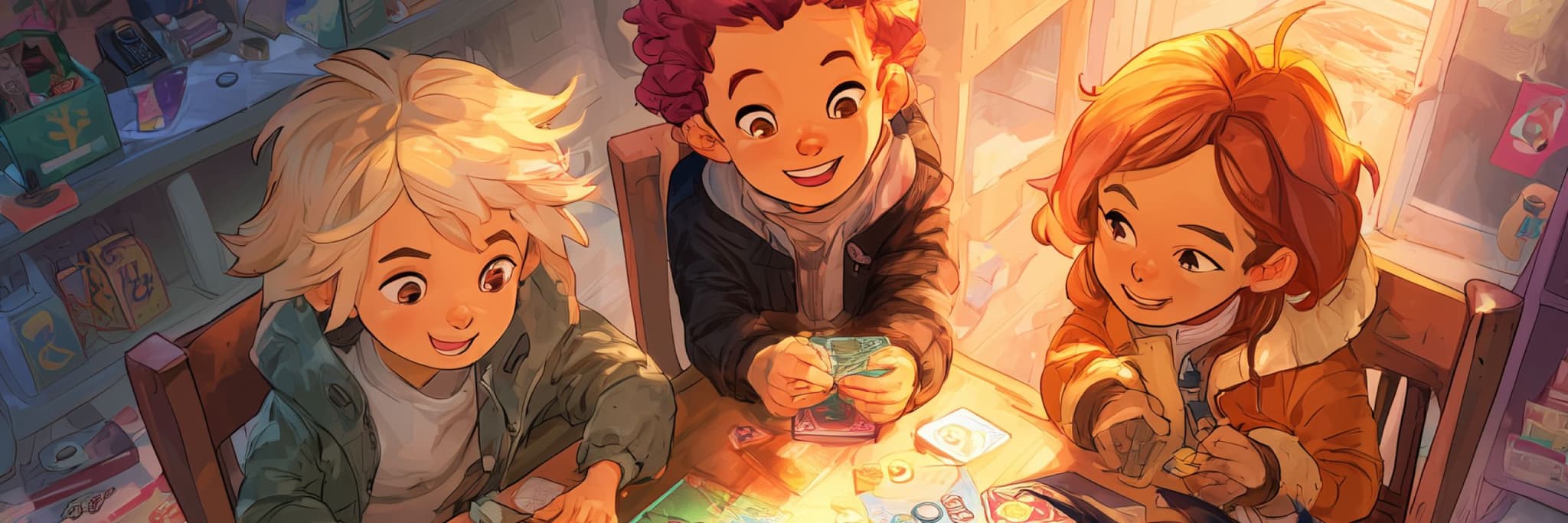
Board games may not be as popular as they once were – we can thank Roblox, Minecraft, Fortnite... for that.
But children still enjoy them – and they can be an effective way to practise core 11+ skills, they.
Many develop the kind of thinking that helps children in school: logic, pattern recognition, vocabulary, mental arithmetic, spatial reasoning.
None of them feel like homework. (And that's the point.)
Logic and pattern recognition
These are the games that come closest to non-verbal reasoning, questions that children encounter in most grammar and independent school entrance exams. They'll need to be good at spotting patterns, thinking several moves ahead and eliminating options.
Chess
Ages 5+ (or younger). Chess teaches children to think ahead, weigh consequences and adapt when things don't go to plan. It's one of the few games where the ceiling is essentially unlimited – you can spend years improving and still have more to learn. The rules take an afternoon. The strategy takes a lifetime.
Mastermind
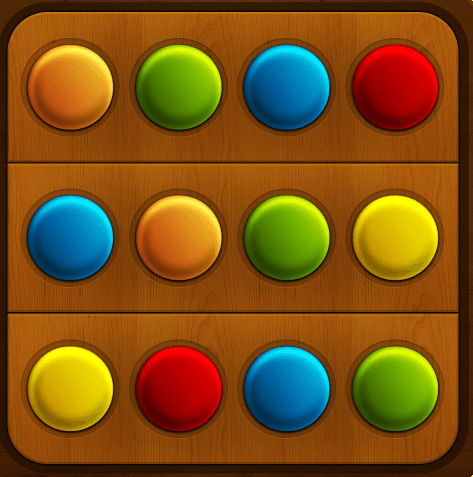
Ages 8+. One player sets a hidden colour code; the other uses deduction to crack it. Each guess gives you a little more information, and you have to use it logically to close in on the answer. It's a clean exercise in deductive reasoning – exactly the kind of thinking tested in non-verbal reasoning papers.
Azul

Ages 8+. Players draft coloured tiles and build patterns on their personal board, scoring points for completing rows and sets. Azul rewards planning, patience and spatial thinking without being complicated to learn. It's also genuinely beautiful to look at, which helps with reluctant players.
Blokus
Ages 7+. Each player claims board territory using differently shaped pieces, blocking opponents while trying to place as many of their own pieces as possible. It builds spatial reasoning in a tactile, visual way. Quick to learn, hard to master and popular with adults too.
Connect 4
Ages 5+. Simpler than the others, but genuinely good for younger children. Getting four in a row sounds easy – doing it while your opponent tries to stop you forces real strategic thinking at a level that's just right for ages 5 to 8.
Maths and number skills
Monopoly

Ages 8+. Money management, mental arithmetic and risk assessment — Monopoly covers a lot of ground. Games run long (families have been abandoning it halfway through since the 1930s), but it's hard to find another game that makes multiplication and budgeting feel urgent.
Shut the Box
Ages 6+. You roll two dice and flip down numbered tiles that add up to the total. Choosing which combination to flip involves quick mental addition under pressure. Games take about five minutes, which helps. It also travels well.
Prime Climb
Ages 10+ (confident Year 5s will manage). A racing game built around arithmetic. Every space on the board is colour-coded by prime factors, so multiplication, division, addition and subtraction all come up naturally during play. It doesn't feel like a maths lesson.
Yahtzee
Ages 7+. Fast-paced dice game with plenty of mental addition and basic probability. Children start making decisions based on expected outcomes without ever learning the phrase – they're just thinking about which combination is most likely to give them the most points.
Darts

Ages 8+ (magnetic or foam board for younger ones). Old school, but excellent. Subtracting from 501 in your head, under mild pressure, is real mental arithmetic. And children will do it willingly in a way they absolutely wouldn't on a worksheet.
Rummikub

Ages 8+. Players arrange numbered tiles into runs and groups, then rearrange existing sets on the table to fit new tiles in. It's particularly good for children who are less confident with spatial games but enjoy numbers – and sequence recognition is directly useful for verbal and numerical reasoning sections.
Vocabulary and verbal skills
Scrabble
Ages 8+. Spelling, vocabulary and mental arithmetic in one game. Children learn to spot patterns in letter combinations, expand their word bank and calculate scores quickly. The Junior edition works well for younger players who don't need the added pressure of a 7-letter bonus word.
Bananagrams

Ages 7+. Faster than Scrabble, no scoring, no waiting for your turn. Players race to build their own interconnected word grid from a shared pool of letter tiles. It rewards children who know a wide range of words, and motivates them to find new ones.
Articulate for Kids
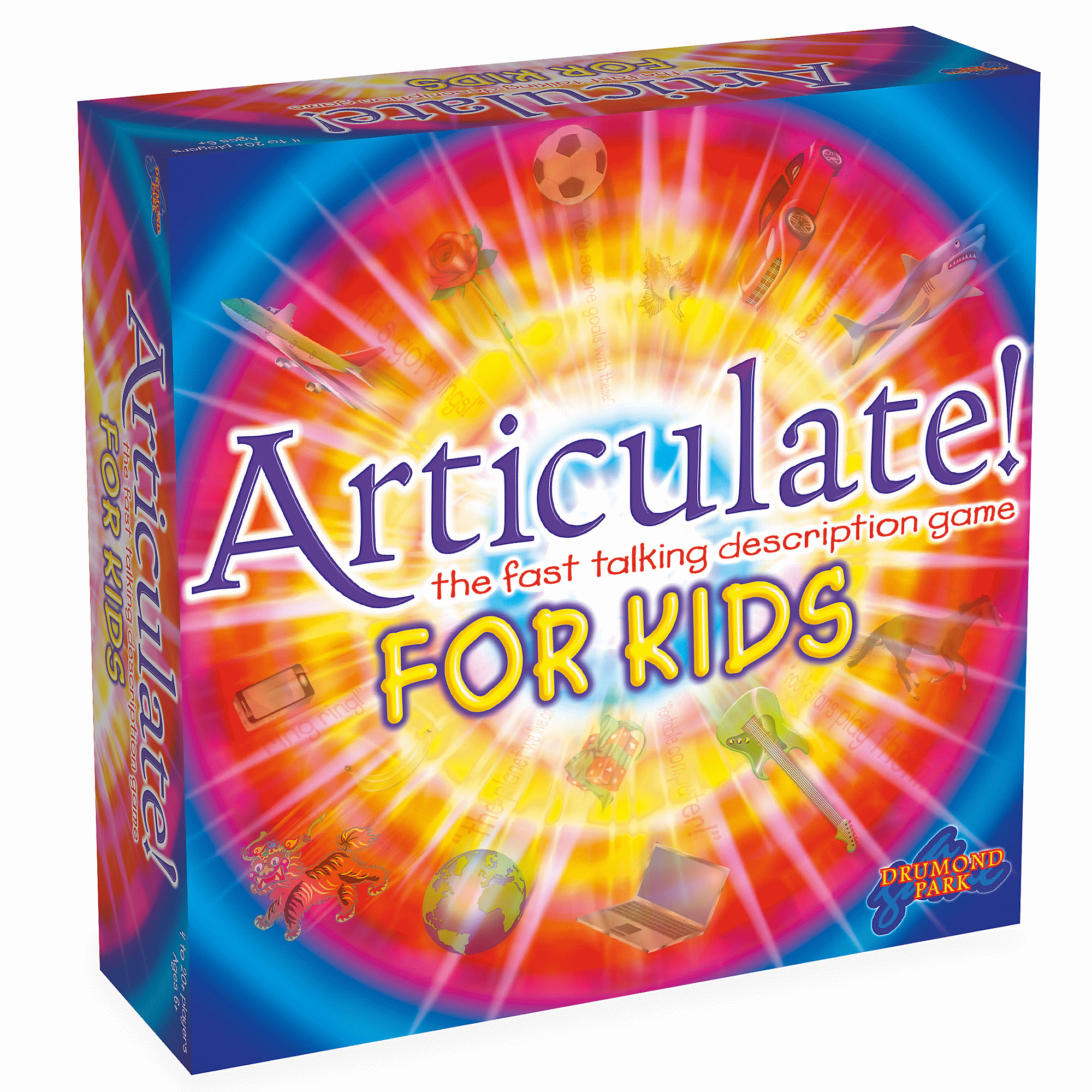
Ages 6+. Players describe words against the clock without saying them directly – building vocabulary, practising synonyms and learning to express ideas clearly. Also genuinely funny, which means children want to play it again.
Codenames

Ages 10+ (Family edition for younger). Players give single-word clues to link multiple words on a grid, without inadvertently pointing to the other team's words. It builds lateral vocabulary thinking – finding connections between words, thinking about multiple meanings, weighing associations. These are exactly the skills tested in verbal reasoning.
What these games won't do
None of them are a substitute for actually practising 11+ or ISEB exam questions. The thinking skills they build are genuinely useful – deduction, pattern recognition, vocabulary – but the exam itself has specific formats, timing and question types that need separate attention.
If you're in Year 4 or Year 5 and starting to think seriously about preparation, that's what HeyKitsu is for. It offers adaptive practice across Maths, English, Verbal Reasoning and Non-Verbal Reasoning – and unlike the games above, it adjusts to where your child actually is, not where you hope they are.
The first three levels in every collection are permanently free. No trial period, no credit card, no expiry.

Free guides, tools & past papers
Our Resources hub has past papers, school guides, and planning tools to help you map out your child's 11+ journey.
Written by
Jane CoplandConsultant and writer @ HeyKitsu
Jane is HeyKitsu's creative writing expert. A published author, she recently supported her son through the 11+, where he received an offer from his first-choice school.